
With pollution levels rising globally, the air we breathe isn’t always as clean as it should be. That’s where the Air Quality Index (AQI) comes in, a tool designed to give us a snapshot of how clean or polluted the air is. The AQI is a marker of any health risks that come with it. Recently, the city of Lahore in Pakistan has hit AQI values of over 220, reaching the title of the world’s most polluted city. This makes it all the more important to understand how AQI works and why it matters.
What Exactly is (Air Quality Index) AQI?
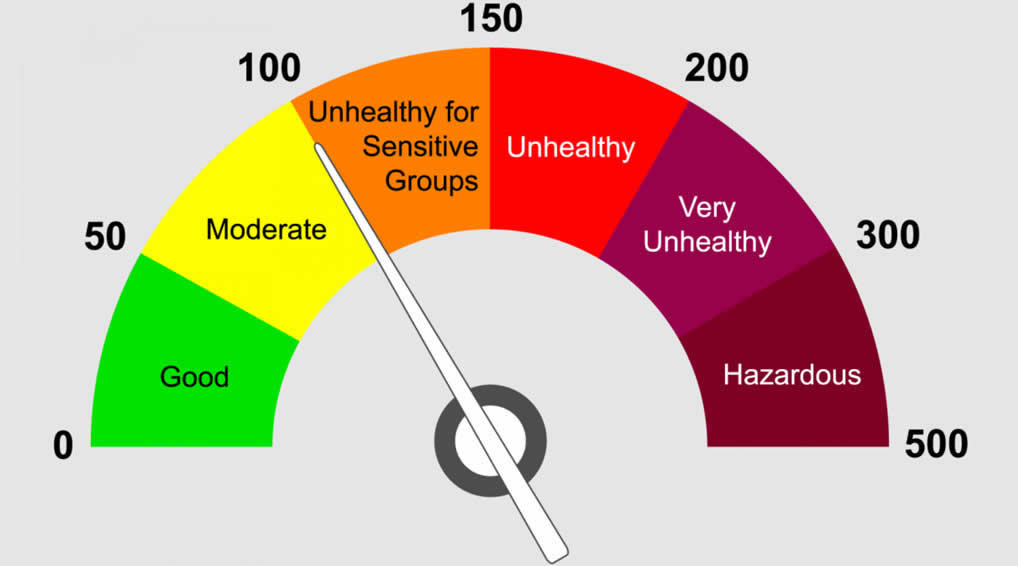
The Air Quality Index is a standard scale that measures air quality levels on a scale from 0 to 500. The higher the number, the worse the pollution. Here’s a quick breakdown of the AQI categories and what they mean:
0-50 (Green): Good – Air quality is safe and poses little to no risk.
51-100 (Yellow): Moderate – Acceptable, but might affect very sensitive individuals.
101-150 (Orange): Unhealthy for Sensitive Groups – Those with respiratory issues should be cautious.
151-200 (Red): Unhealthy – Health risks increase for everyone.
201-300 (Purple): Very Unhealthy – Serious health effects are possible for the general population.
301-500 (Maroon): Hazardous – Health warnings for emergency conditions where everyone should avoid outdoor activities.
The AQI is calculated using levels of pollutants like particulate matter (PM10 and PM2.5), ground-level ozone, sulfur dioxide, nitrogen dioxide, and carbon monoxide. PM2.5, in particular, is a major concern because of its tiny size, which allows it to travel deep into the lungs and even into the bloodstream, making it especially harmful.
AQI in Pakistani Cities Reaching Hazardous Levels
Recently, several cities in Pakistan, particularly Lahore, have topped global pollution charts, reaching staggering AQI levels over 200—a level classified as very unhealthy. This makes these cities some of the most polluted globally, especially during the winter months when conditions like crop burning, vehicle emissions, and industrial pollutants are compounded by seasonal weather changes that trap pollution close to the ground. An AQI this high has serious health implications, especially for sensitive groups like children, elderly, and those with pre-existing health issues. In such conditions, it’s recommended for everyone to limit outdoor activities and stay informed about local air quality updates.
Benefits of Using an Air Purifier
While it’s challenging to control outdoor air quality, there are ways to ensure better air indoors, where we spend a significant amount of time. One of the most effective solutions is using an air purifier, which helps remove pollutants, allergens, and particles from indoor spaces.
Air purifiers can be particularly beneficial for households with children, seniors, or individuals with respiratory issues, but they’re valuable for everyone. By filtering out harmful particles, air purifiers can reduce allergy symptoms, improve sleep, and help maintain overall health. For those living in highly polluted areas, an air purifier offers a layer of protection against outdoor air pollution seeping into the home.
In conclusion, as cities worldwide face rising AQI levels, understanding the Air Quality Index and taking steps to protect ourselves is increasingly important. While outdoor pollution can feel out of our control, we can make meaningful changes to improve our indoor environments. So next time you check the AQI, remember that small steps, like using an air purifier, can go a long way in creating a safer, healthier space to breathe.


Very good
Awesome
Very good
Good
Good
thought provoking
We don’t have great AQI here
I wish I could get my hands on this